There is a moment every touring pilot recognises. The wheels leave the runway, the workload settles and ahead lies not simply another flight, but the promise of an adventure.
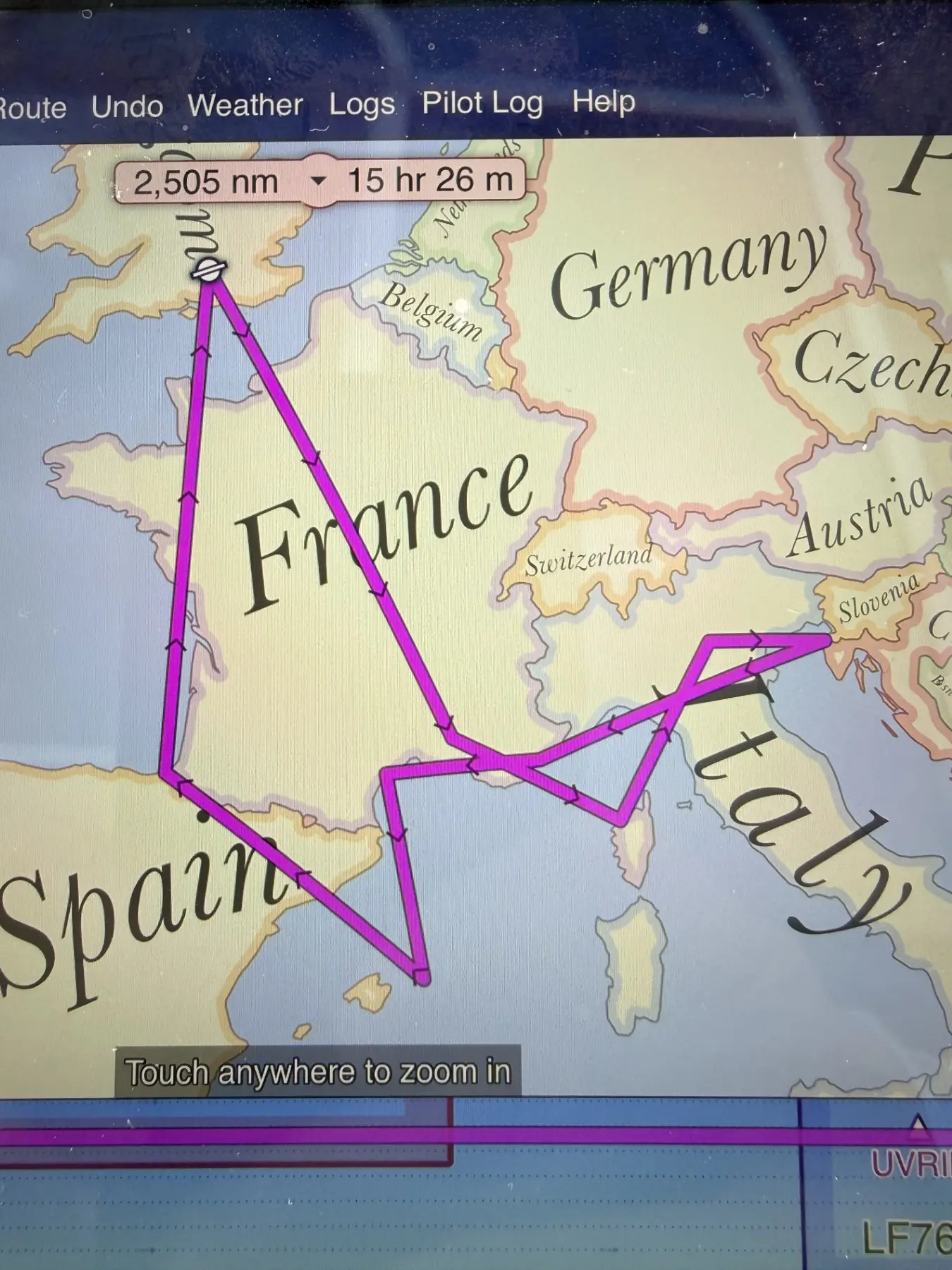
Our most ambitious summer trip yet began with two fixed points: an invitation to stay with old friends in northern Croatia, and a family holiday in Menorca later in June. Joining those dots by air seemed not merely sensible, but irresistible. The result was our own grand tour—Blackbushe to Avignon, Calvi, Verona, Portorož, Cannes, Béziers, Menorca and La Rochelle before returning home.
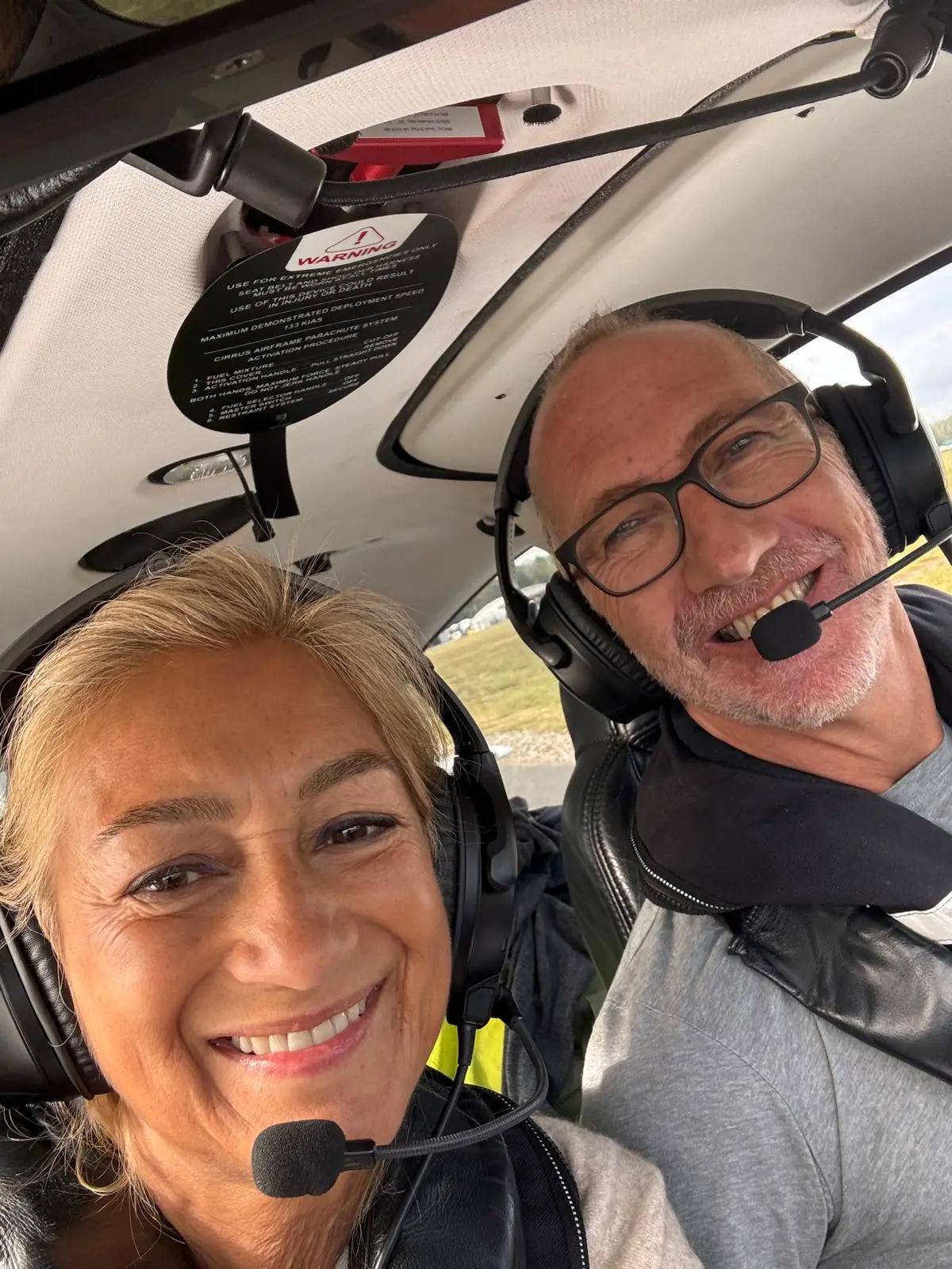
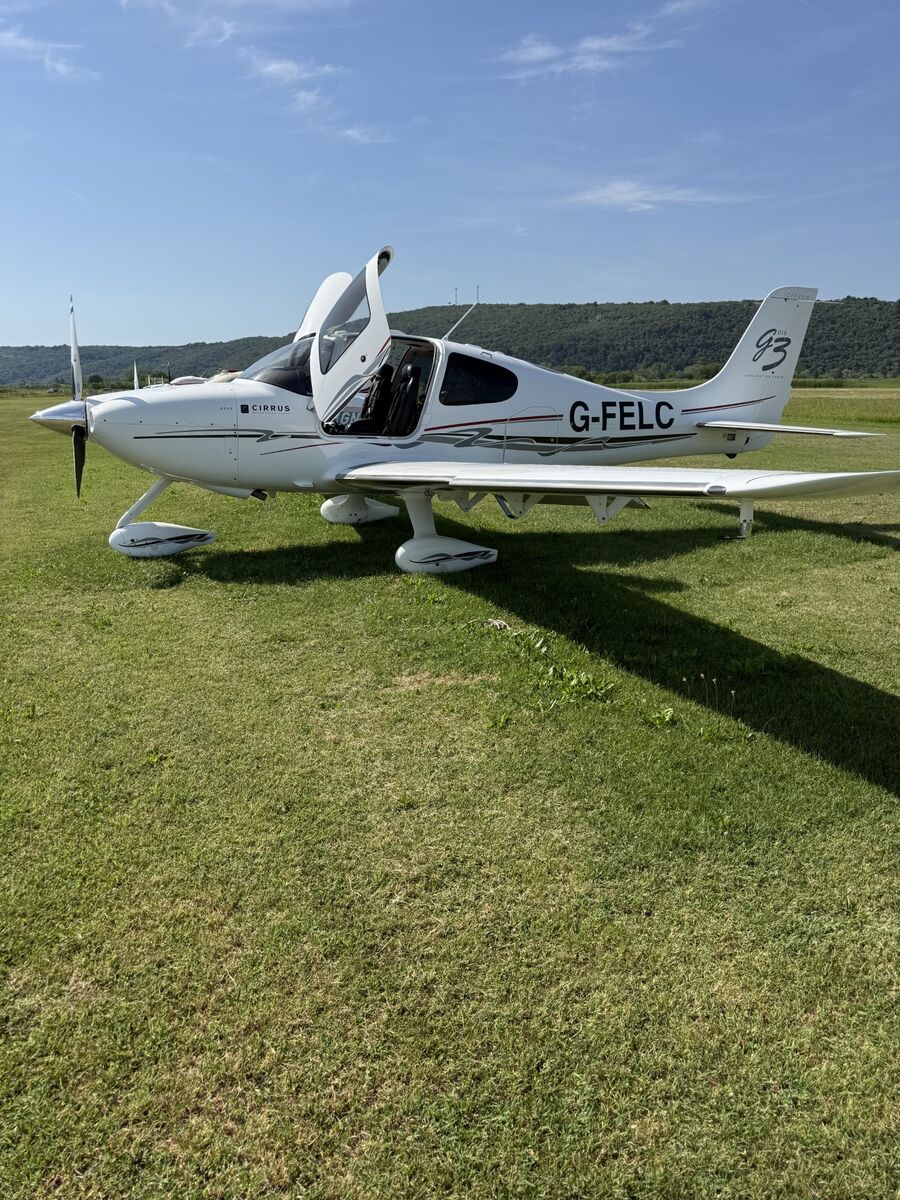
Over four weeks, “Cindy”, our 2008 Cirrus SR22 G3, carried Jan and me more than 2,500 nautical miles. We crossed coastlines and borders, woke in one country and dined in another, and discovered again that the real gift of travelling by light aircraft is not simply speed. It is the freedom to travel differently.
01
Planning for flexibility
As with every successful flight, this trip began long before engine start. ForeFlight, AutoRouter and online weather tools helped us negotiate Europe’s IFR network while leaving room to adapt. That flexibility proved essential before we had even reached the airfield.
We had planned to depart on 2 June, but a broad and complex area of thunderstorms across Europe persuaded us to wait. By the time conditions improved on Friday 5 June, the first part of the itinerary had been reversed and Corsica would come before Croatia. It was an early reminder that comprehensive preparation is valuable precisely because it makes changing the plan easier.
02 · EGLK–LFMV
Gateway to the Mediterranean
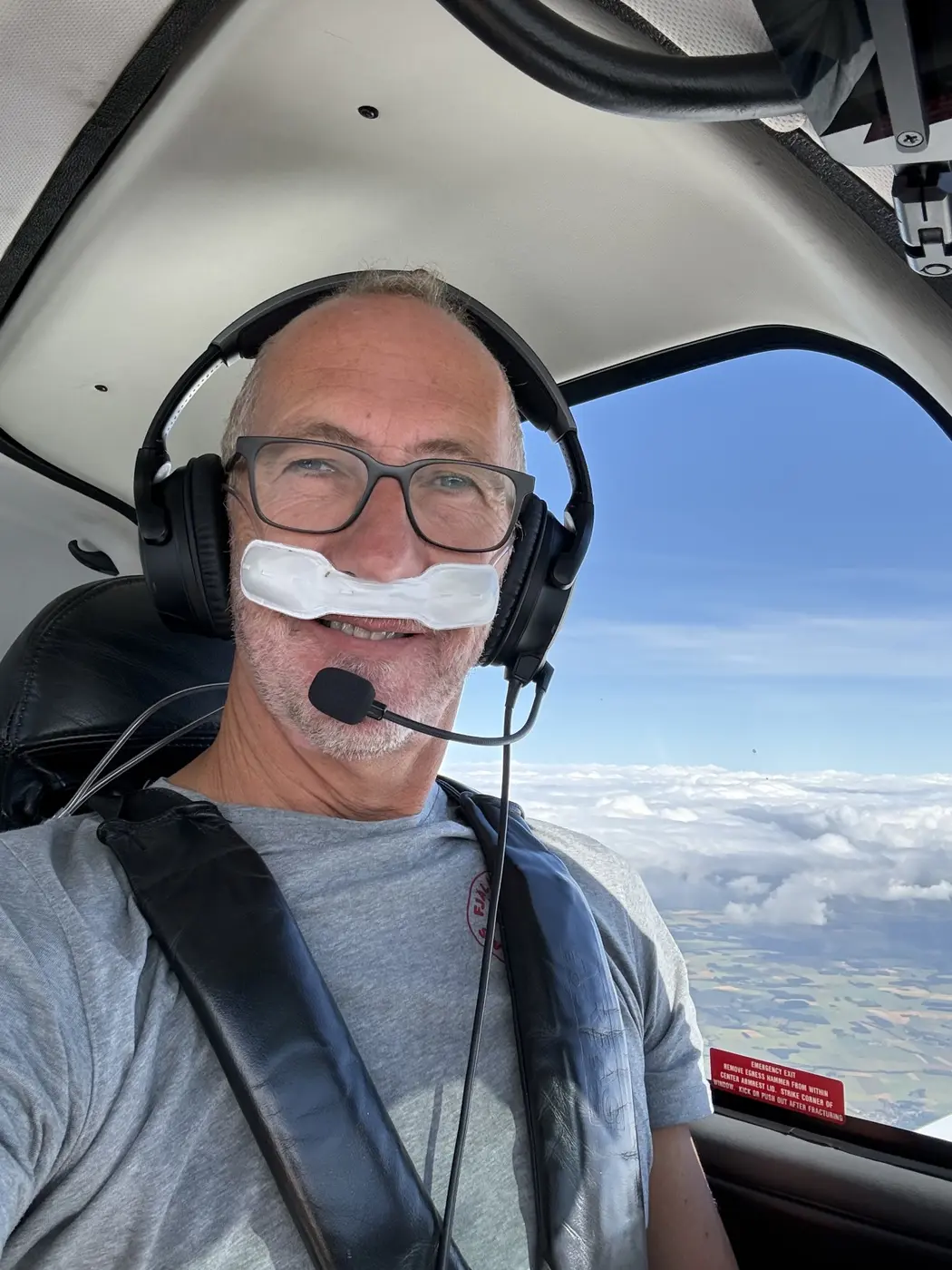
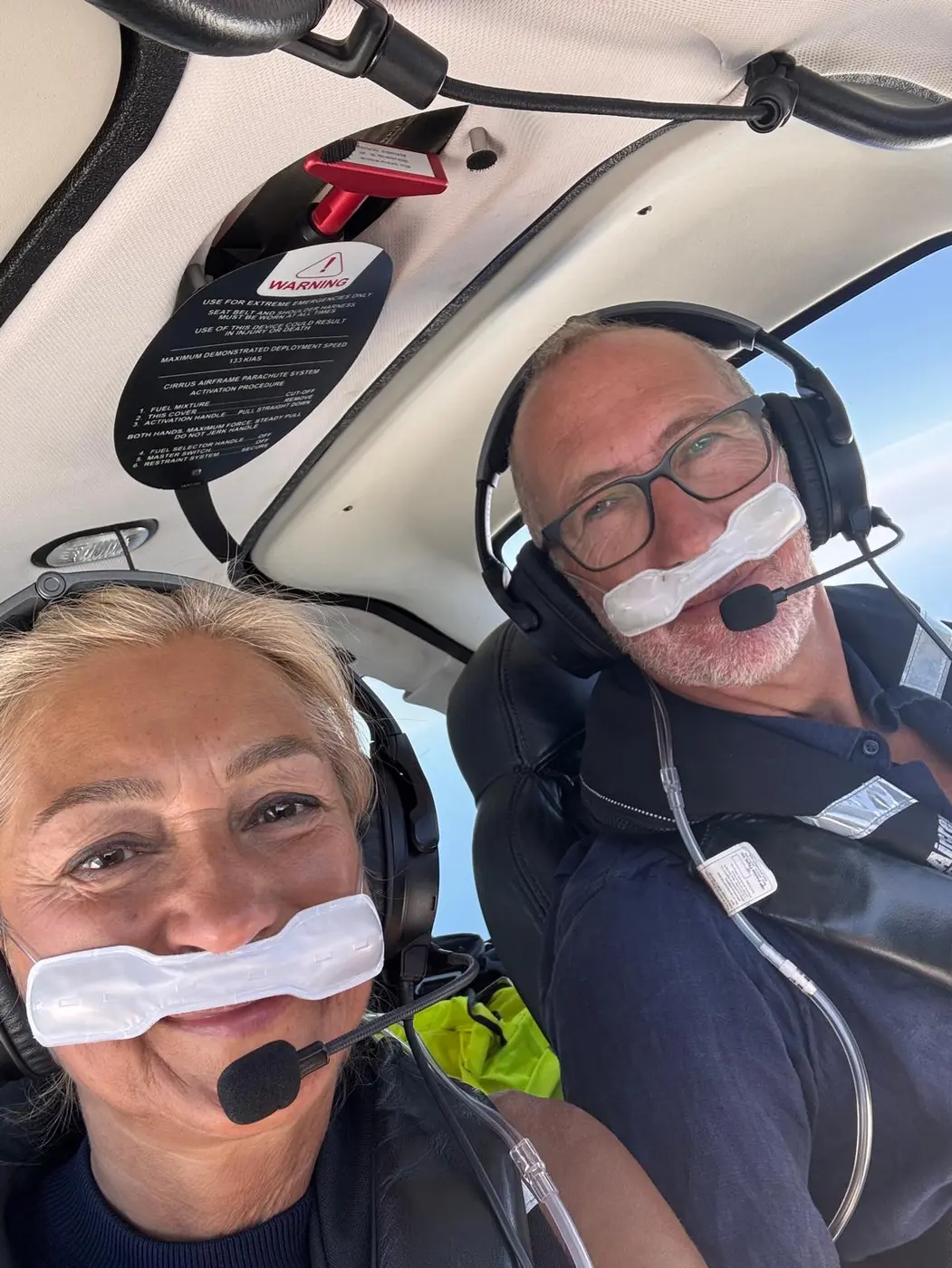
Our first leg from Blackbushe to Avignon was a straightforward IFR flight. We cruised mainly at FL90, climbing to FL110 for part of the journey, where the portable oxygen system came into use. Farnborough handed us to London Control and, as so often happens, a series of shortcuts steadily trimmed the filed route.
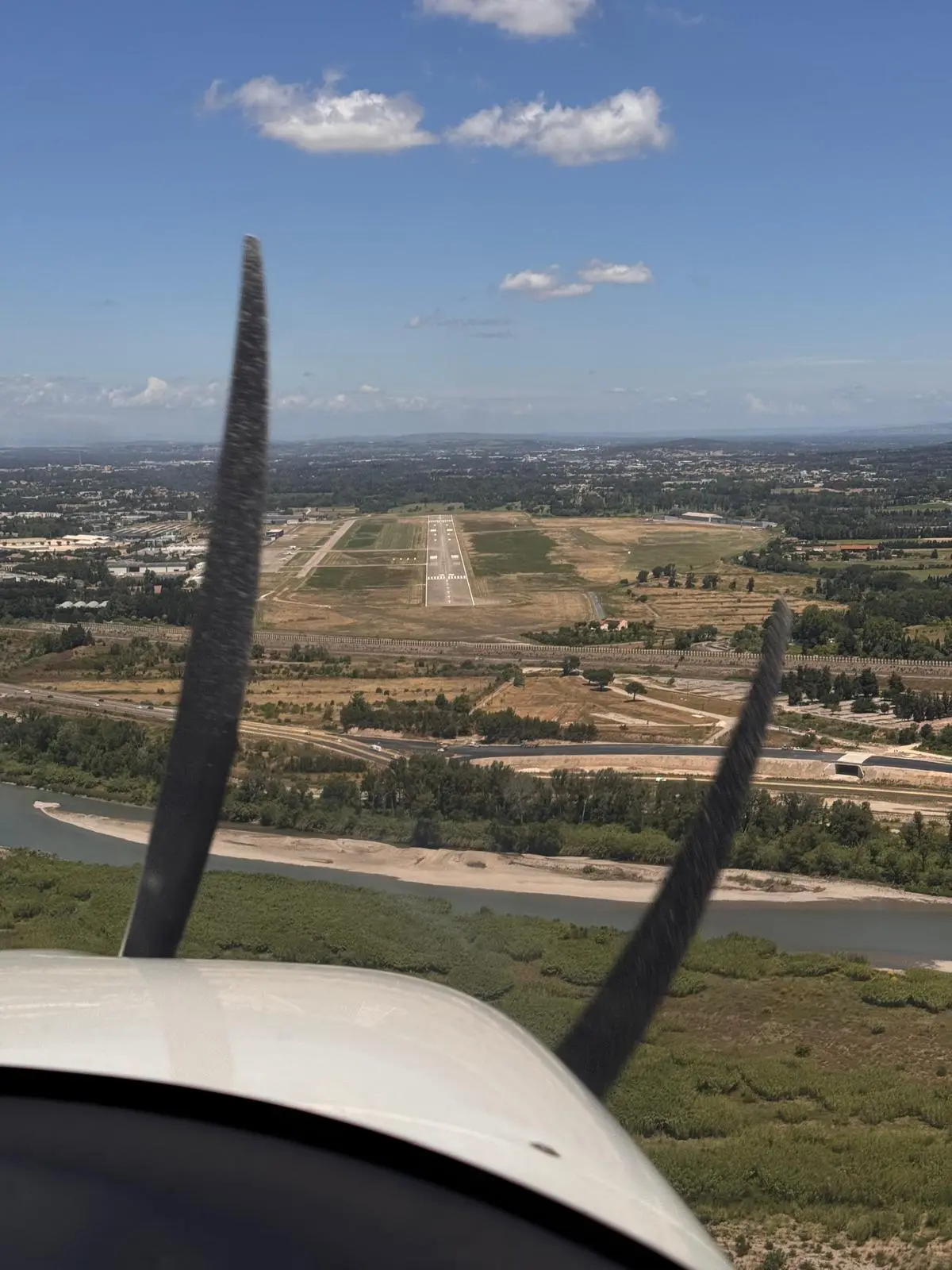
At Avignon we were cleared for the Visual Prescribed Track to Runway 35—my first outside the IR theory books. It used the opening portion of the Runway 17 procedure before directing us onto set headings and distances for the reciprocal runway: effectively, a carefully defined circle-to-land.
After landing and refuelling, we checked Calvi’s weather. The afternoon wind was gusting around 35 knots across the runway, with mountainous terrain adding to the attraction rather than reducing it. At the end of a long day, the sensible choice was obvious. Cindy stayed at Avignon and we enjoyed an unplanned evening in one of France’s loveliest cities.
03 · LFMV–LFKC
Corsica emerging from the haze
After breakfast in Avignon and another check of the weather and NOTAMs, we filed IFR for Calvi. We climbed towards the Côte d’Azur, coasted out near Saint-Tropez and pointed across the Mediterranean. Even in a well-equipped SR22, open water sharpens the senses. The French coastline slowly disappeared behind us; Corsica’s mountains began to rise from the haze ahead.
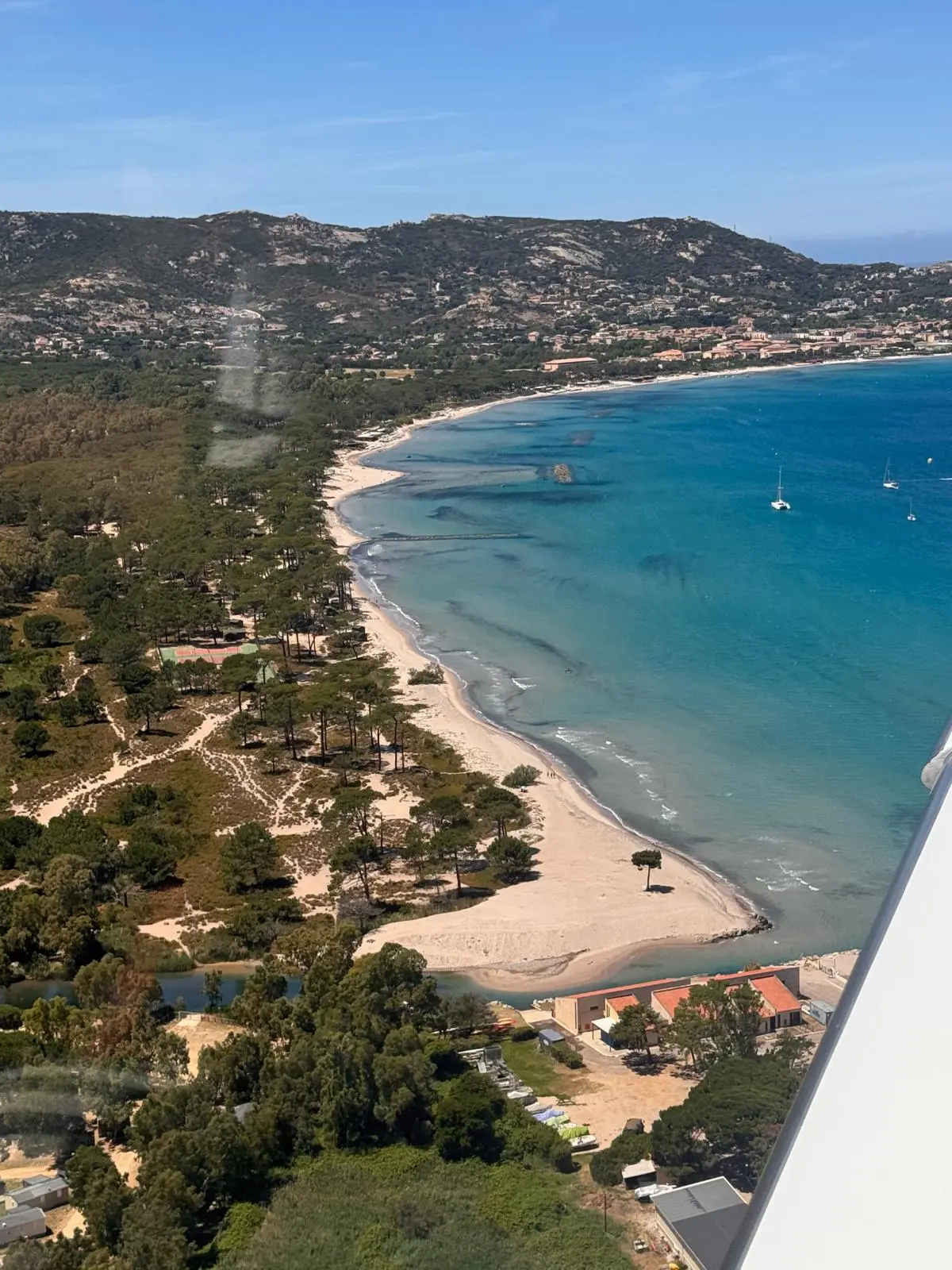
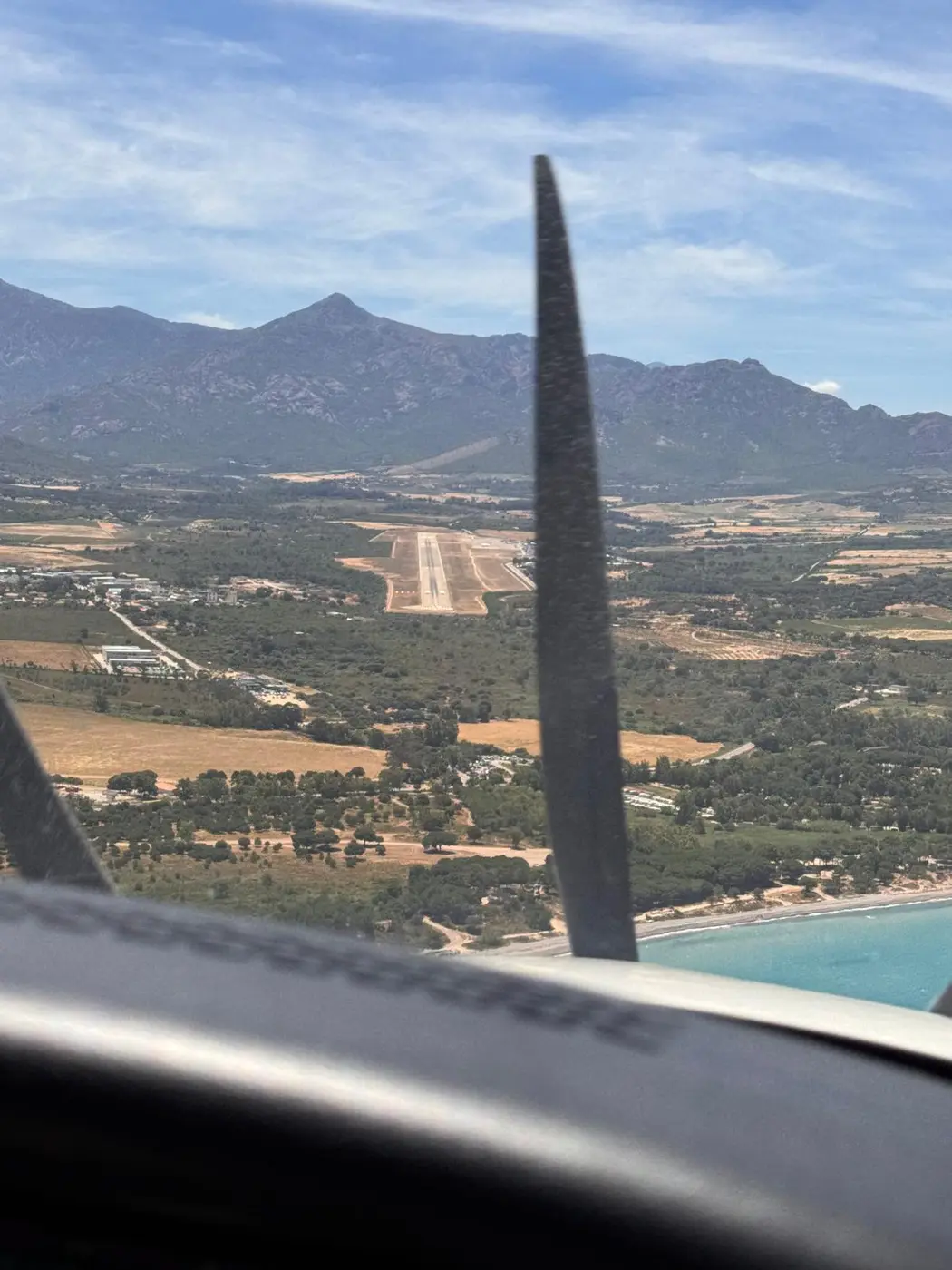
Calvi brought another first when ATC asked us to hold while a group of VFR aircraft landed. The eventual arrival was worth the wait: the sea glittering below, mountains filling the windscreen and Calvi’s beach passing beneath the wing on final.
Casavia marshalled us in, helped secure Cindy and arranged transport and a hotel. Three nights followed at the Corsica Hotel & Spa, with evenings in the citadel and a memorable ride on the little coastal railway to L’Île-Rousse. Sitting above the old town with a glass of Corsican wine, having arrived entirely under our own steam, brought a special sense of satisfaction.
04 · LFKC–LIPN
Via Elba to Verona
Leaving Corsica, AutoRouter helped shape a route via Elba that reduced time over open water and rewarded us with spectacular views. From there we crossed Tuscany and the Apennines, their pale marble workings clearly visible, before entering the Po Valley.
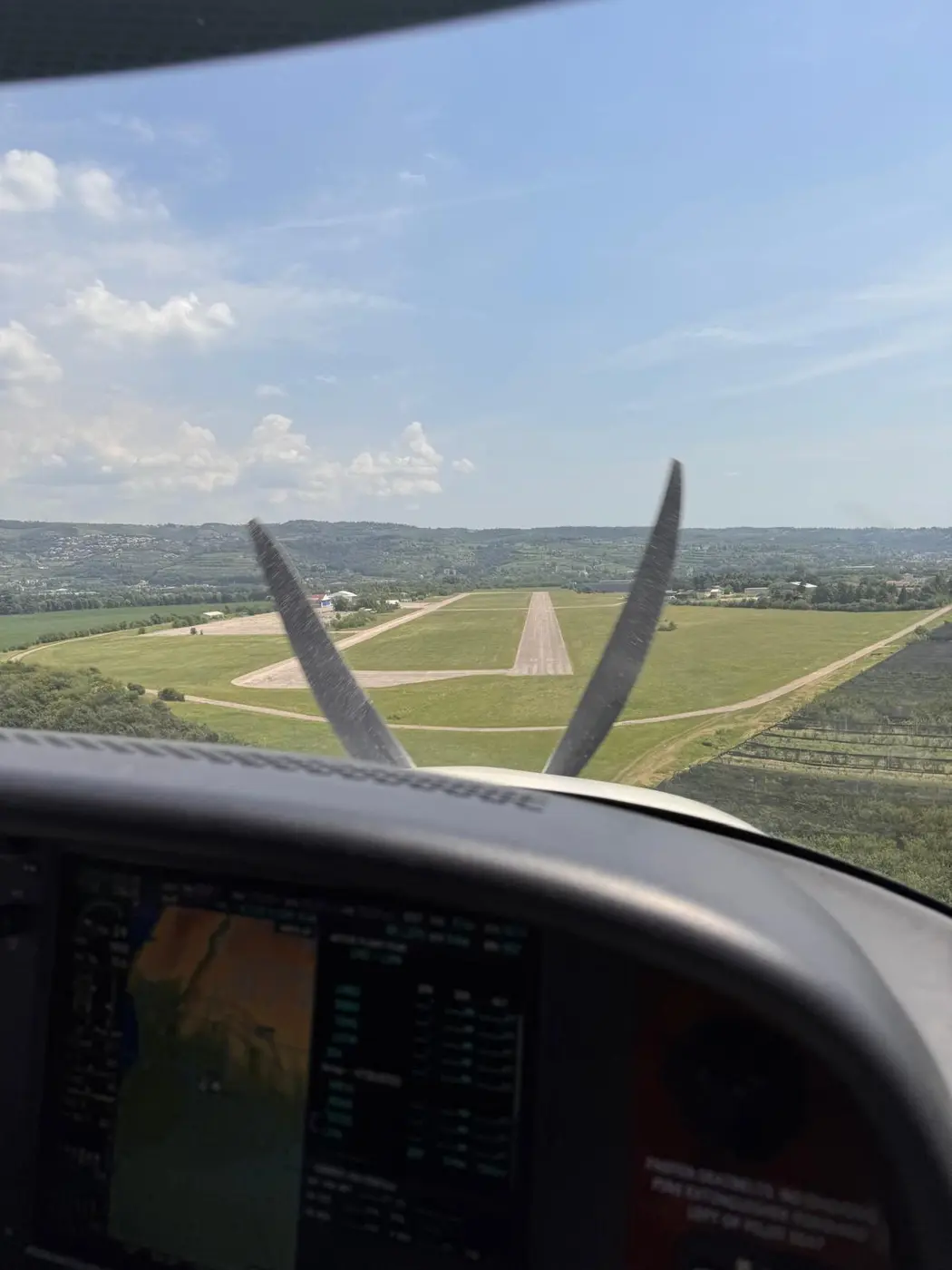
Convective weather was forecast near the Alps, but our timing was kind: cumulus was building without becoming troublesome. This was also my first operational Z flight plan. We departed Calvi IFR and remained in the system until about 25 miles south of Verona, then cancelled for the VFR arrival into Verona Boscomantico.
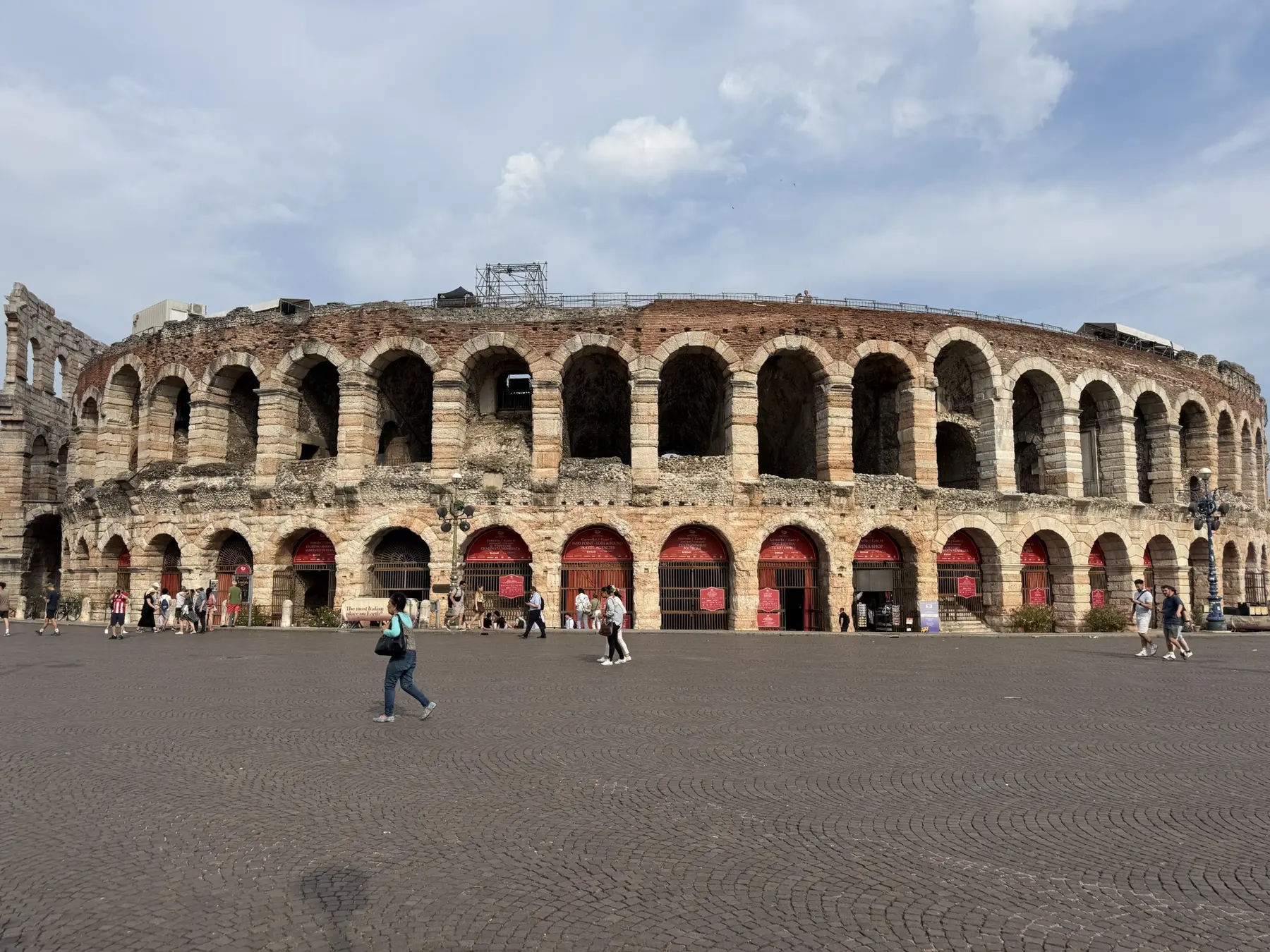
The friendly GA airfield was an excellent introduction to the city. We spent several days exploring historic Verona and Lake Garda before continuing east.
05 · LIPN–LJPZ
Venice, Slovenia and Istria
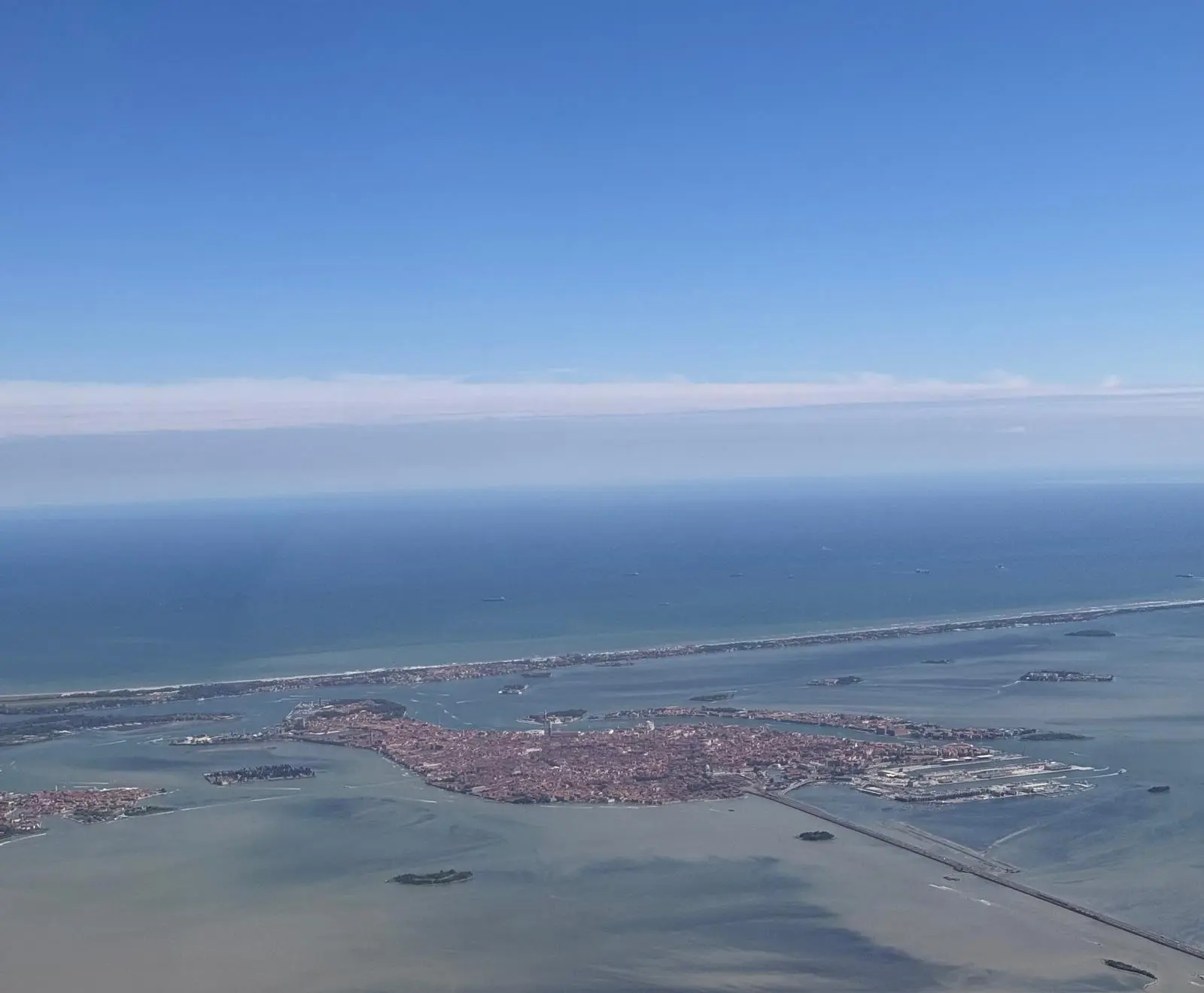
A superb lunch at Boscomantico preceded a scenic VFR departure towards Slovenia. We passed just north of Venice, crossed the Adriatic and approached Portorož with a direct crosswind above 20 knots to keep the arrival interesting.
Portorož is one of those airports that reminds you how welcoming general aviation can be. A follow-me buggy guided us to the grass parking, the team helped put Cindy to bed, and our luggage was driven to the terminal while we waited for our friends.
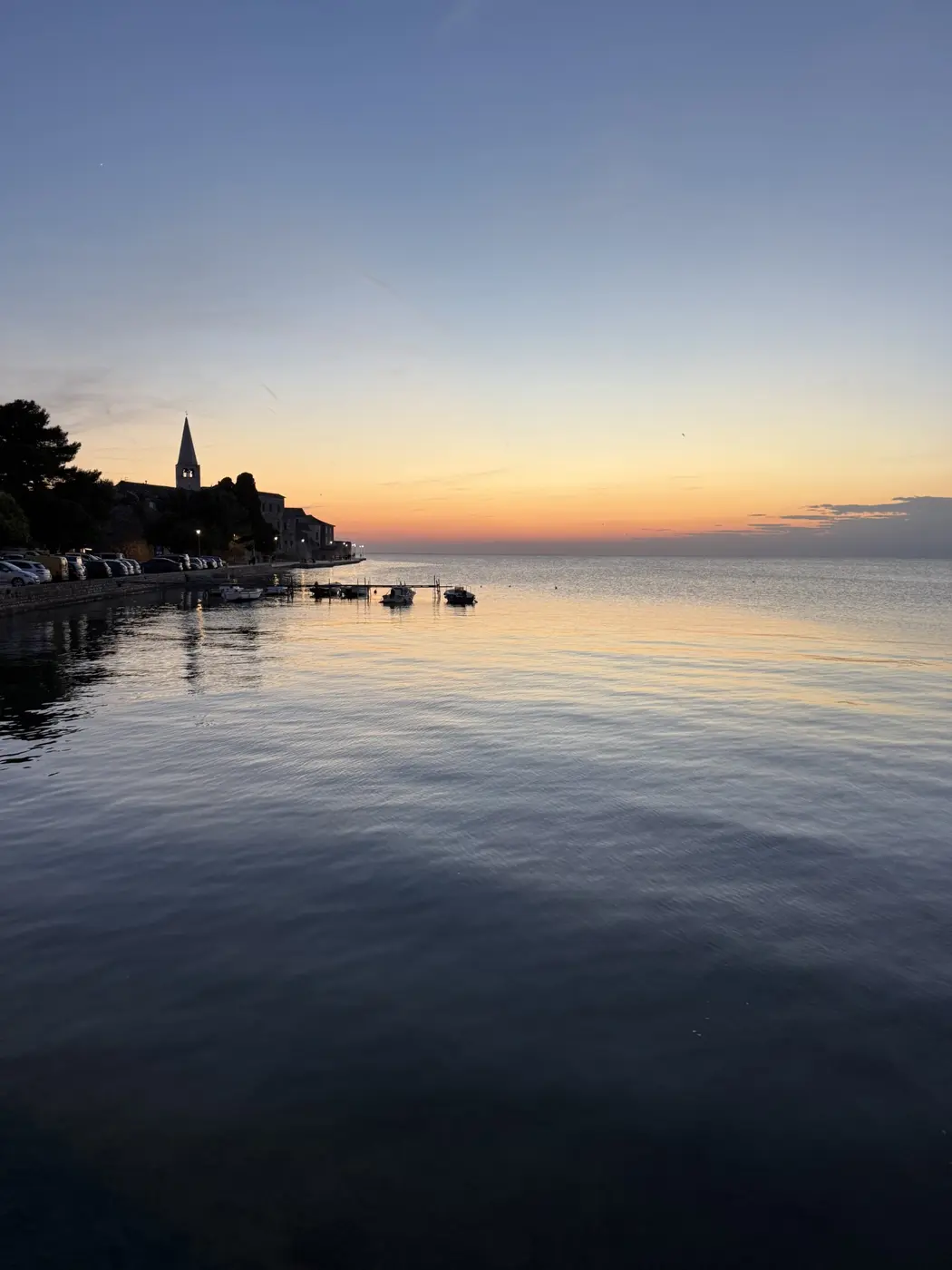
Six relaxed days followed with Trev and Sarah, exploring Slovenia and Istria in northern Croatia: cycling, swimming, paddleboarding, excellent food and long evenings that ended with sunsets over the Adriatic.
06 · LJPZ–LFMD
Across the Po Valley to Cannes
We left Portorož on a SID towards Trieste before ATC cleared us southwest across the Po Valley at FL110. Over the Apennines, Milano Control offered a waypoint far offshore. After checking it carefully, I requested an alternative that kept us parallel with the Ligurian coast—a useful reminder that a clearance can be questioned and negotiated.
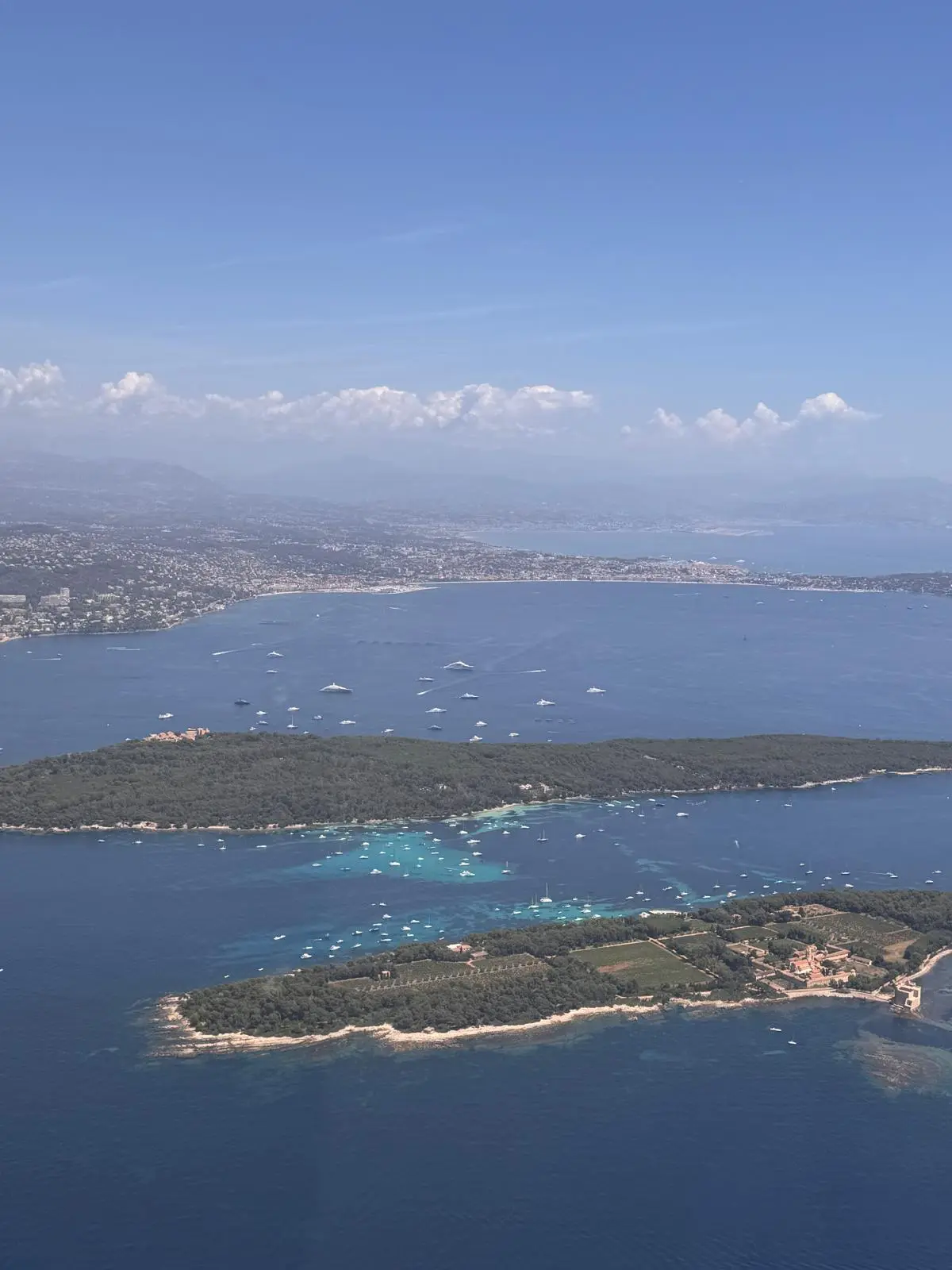
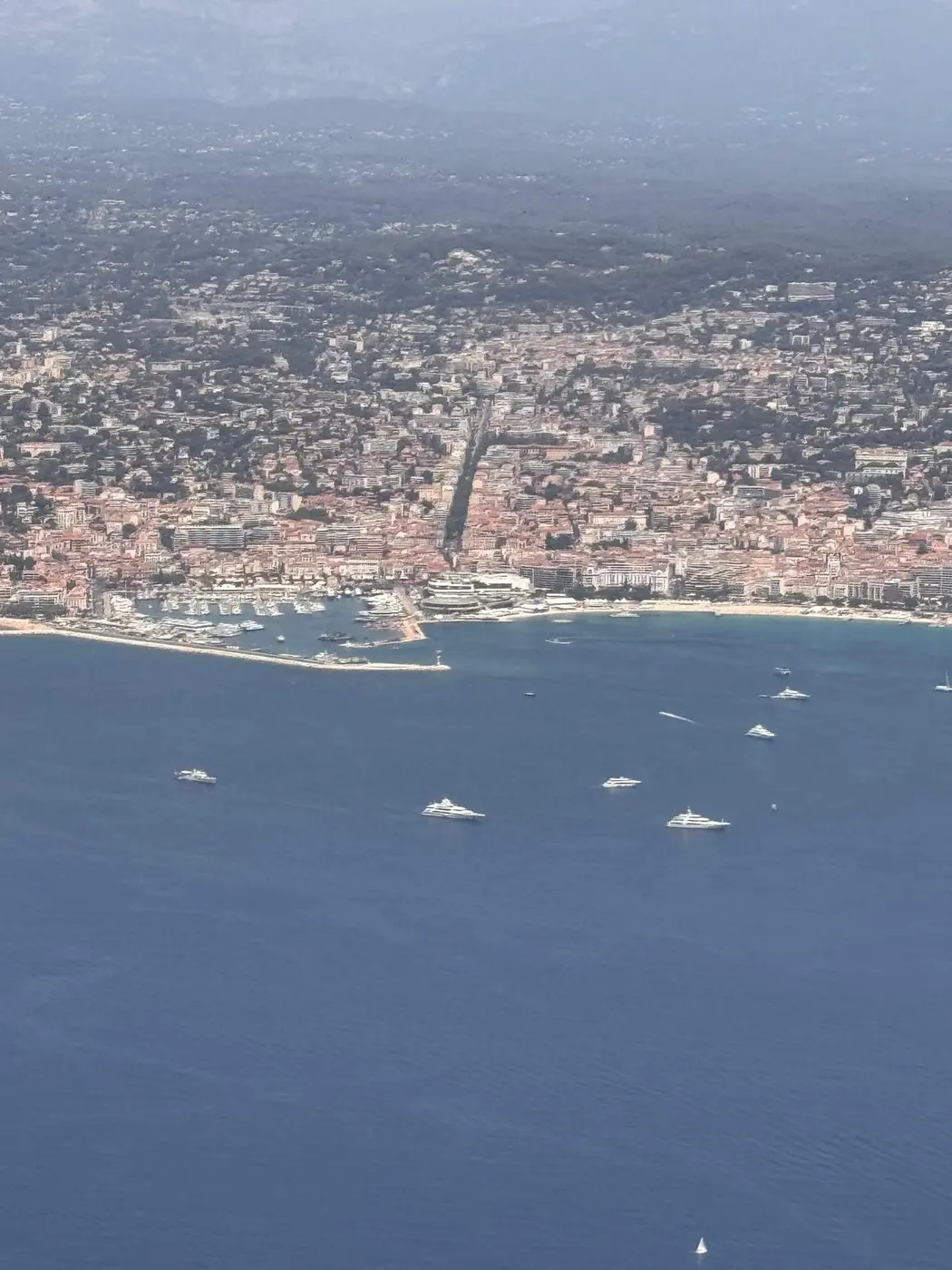
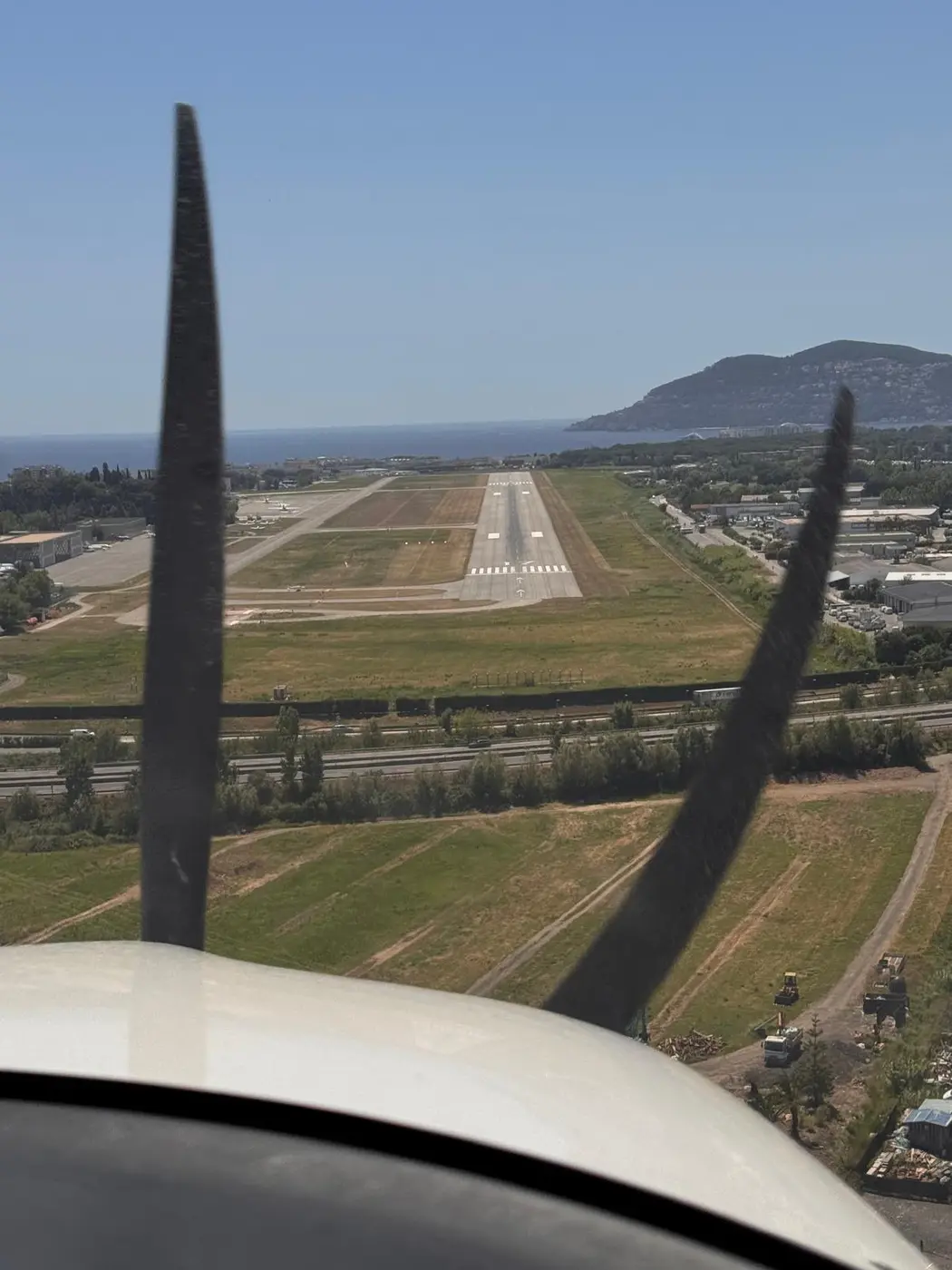
Nice Approach vectored us for the VFR arrival to Runway 17 at Cannes–Mandelieu. Few approaches compare. The Îles de Lérins, sparkling water, hillside villas and an armada of yachts unfolded beneath us.
Cannes itself was preparing for the 2026 Cannes Lions International Festival of Creativity. Beach restaurants and bars were being transformed into elaborate branded venues, giving the whole seafront the atmosphere of a production set.
07 · LFMD–LFMU
A quieter southern France
The next day we departed Cannes VFR on a Y flight plan, collected our IFR clearance within ten minutes and followed the southern French coast at FL60 before flying the RNP approach to Runway 09 at Béziers.
The region offered a quieter contrast to Cannes: an unspoilt coastline and time to explore Sète, the “Venice of Languedoc”, with its canals, markets and maritime character.
08 · LFMU–LEMH
Our longest water crossing
The 135 nautical miles over the Mediterranean to Menorca represented our longest open-water crossing to date. Life raft aboard and arrival slot arranged, we filed IFR and climbed into smooth air at FL100.
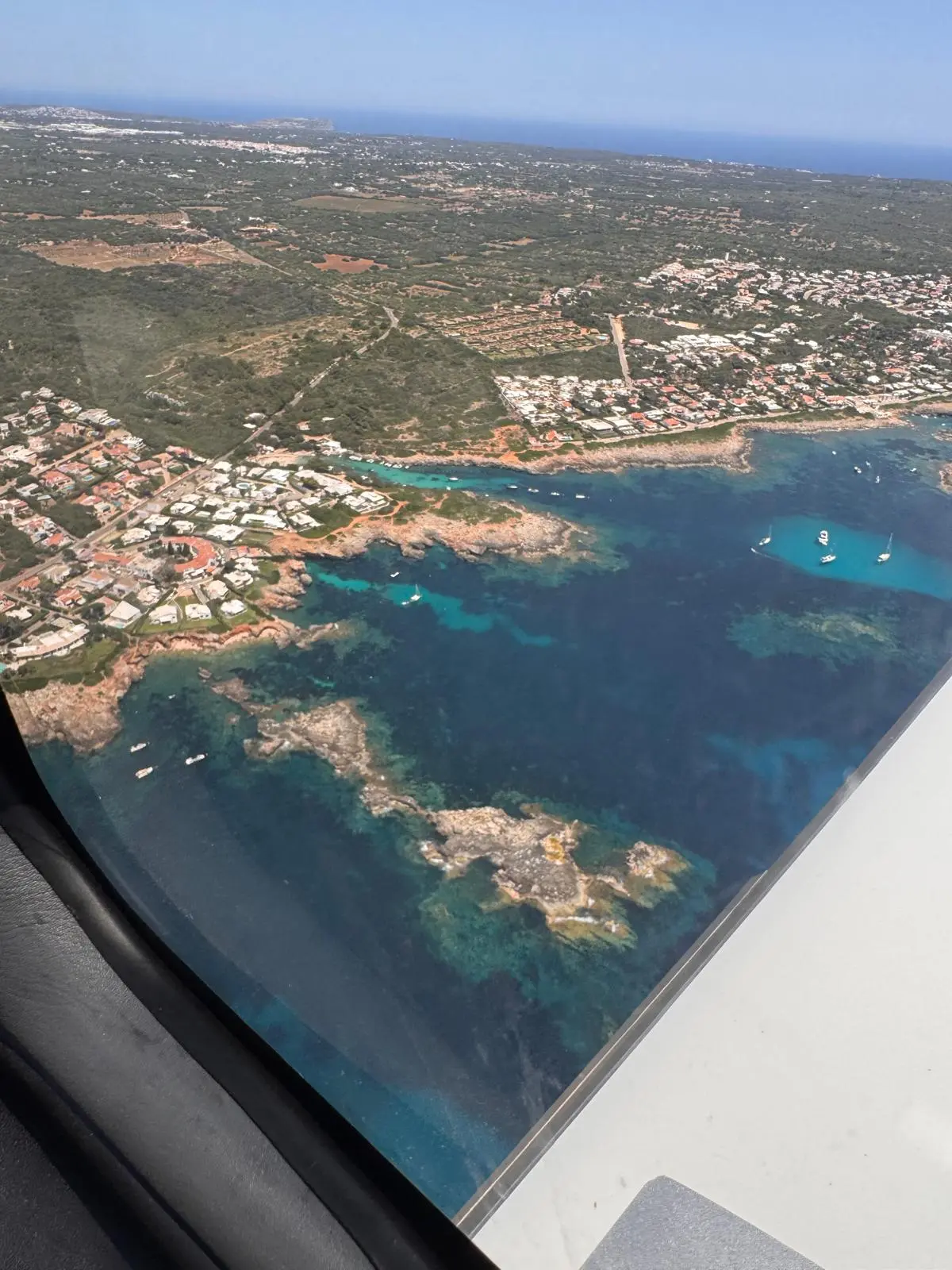
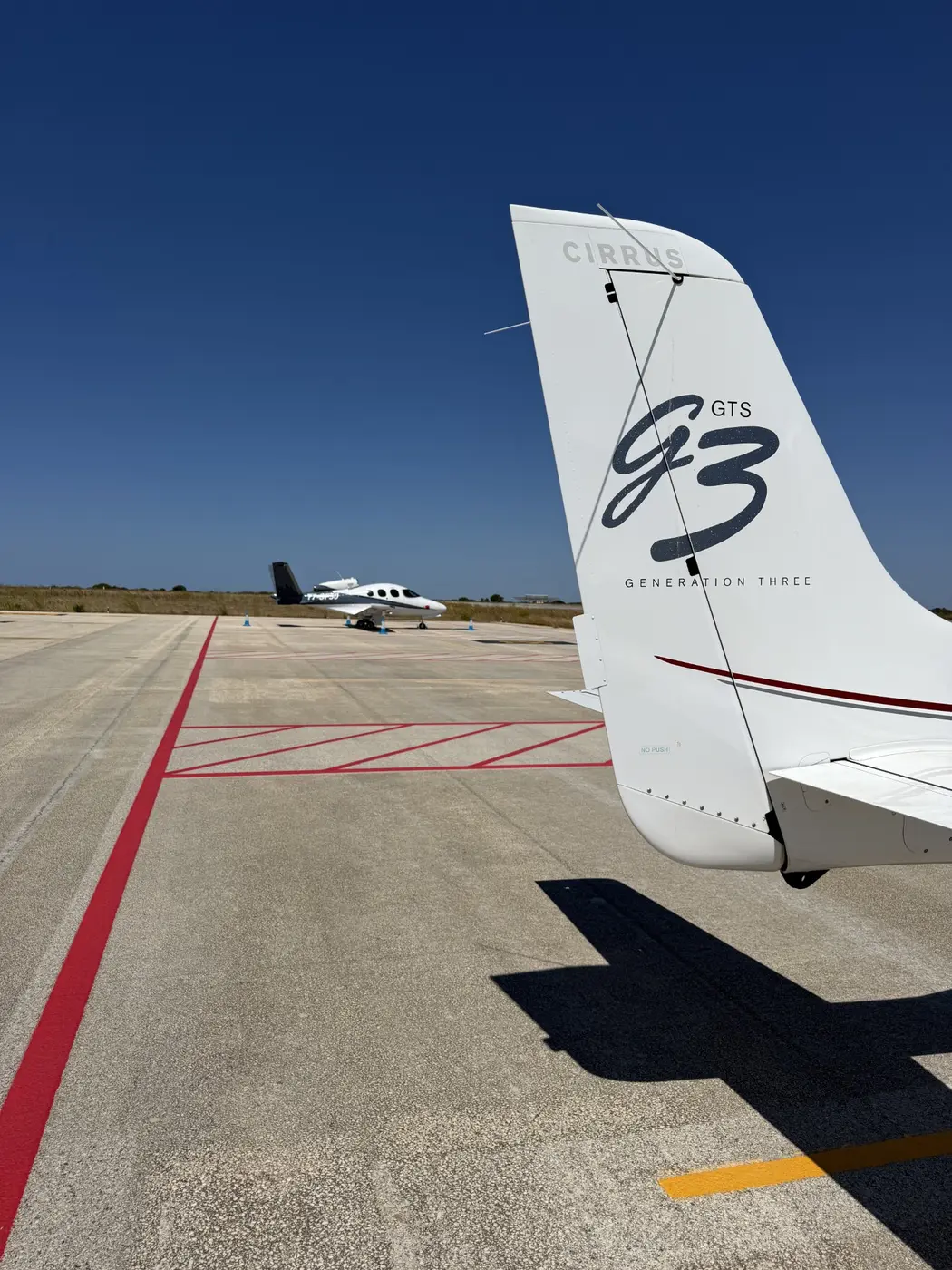
Apart from the familiar pilot’s suspicion that an engine sounds different the moment land falls outside gliding range, the crossing was uneventful. The ILS to Runway 01 brought us across Menorca’s beautiful southern coastline before Cindy joined somewhat faster Cirrus company on the apron.
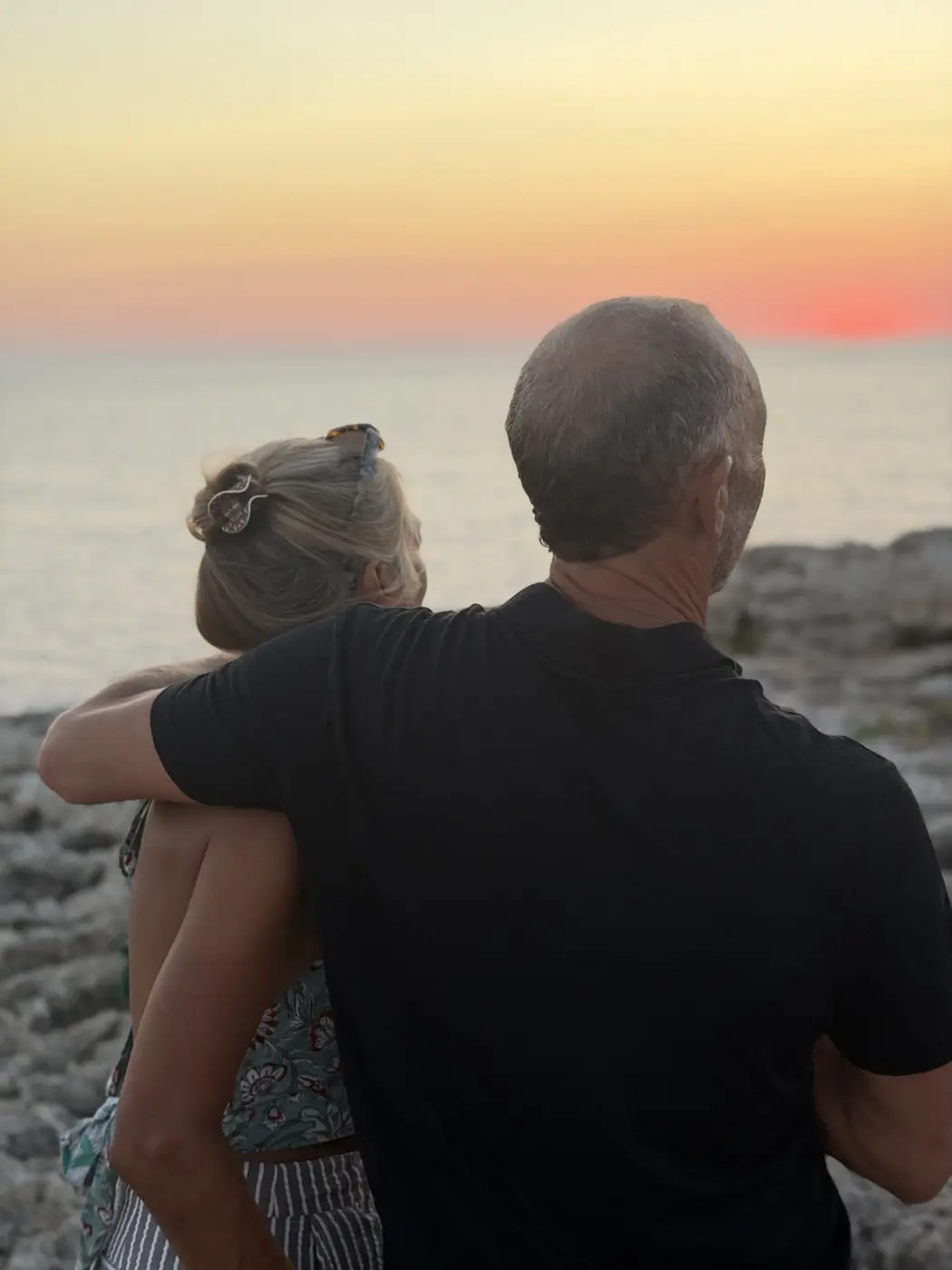
The flight delivered us to a week with our adult children, their partners and our grandchildren. Beaches, warm evenings and a family celebration for our youngest daughter Olivia’s 30th birthday made Menorca more than another stop on the route—it became the heart of the trip.
09 · LEMH–LFBH
An Atlantic finale
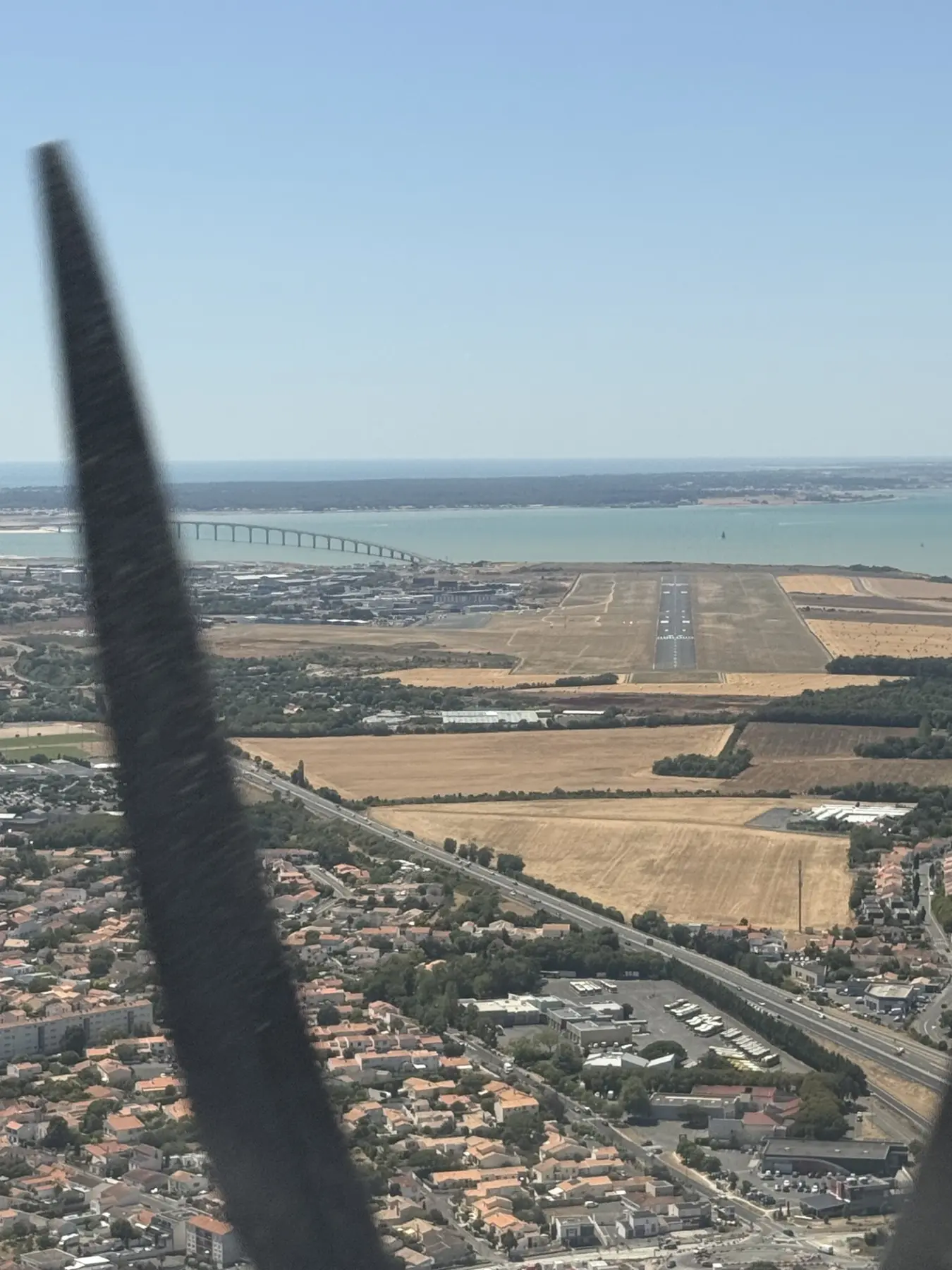
Rather than rush home, we chose one last stop at La Rochelle. Departing between commercial movements and making our Eurocontrol slot required concentration, but once airborne the IFR flight settled into an easy rhythm. We tracked to the Spanish coast, turned north via the Bordeaux region and were eventually vectored onto the ILS for Runway 27 at La Rochelle.
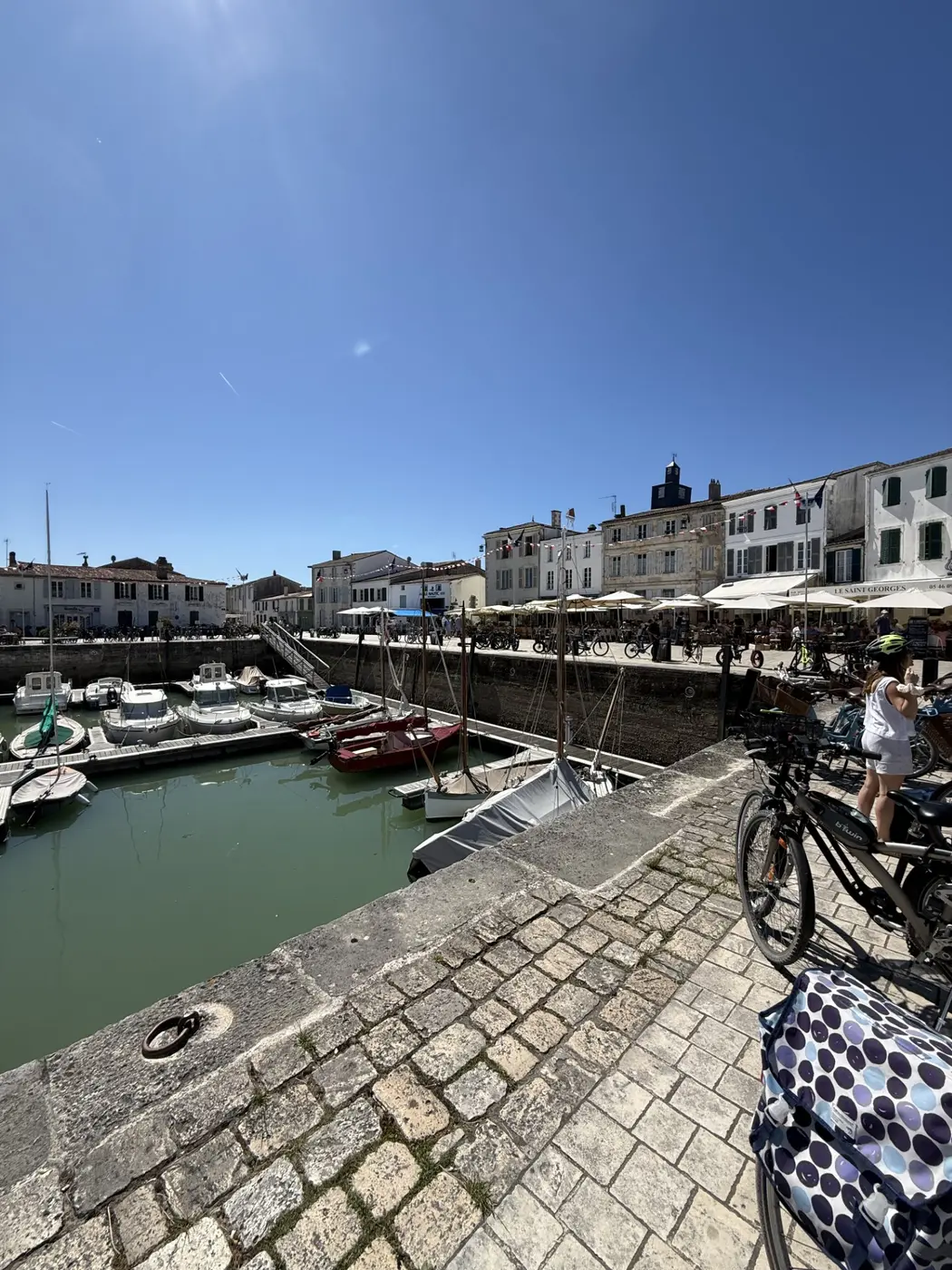
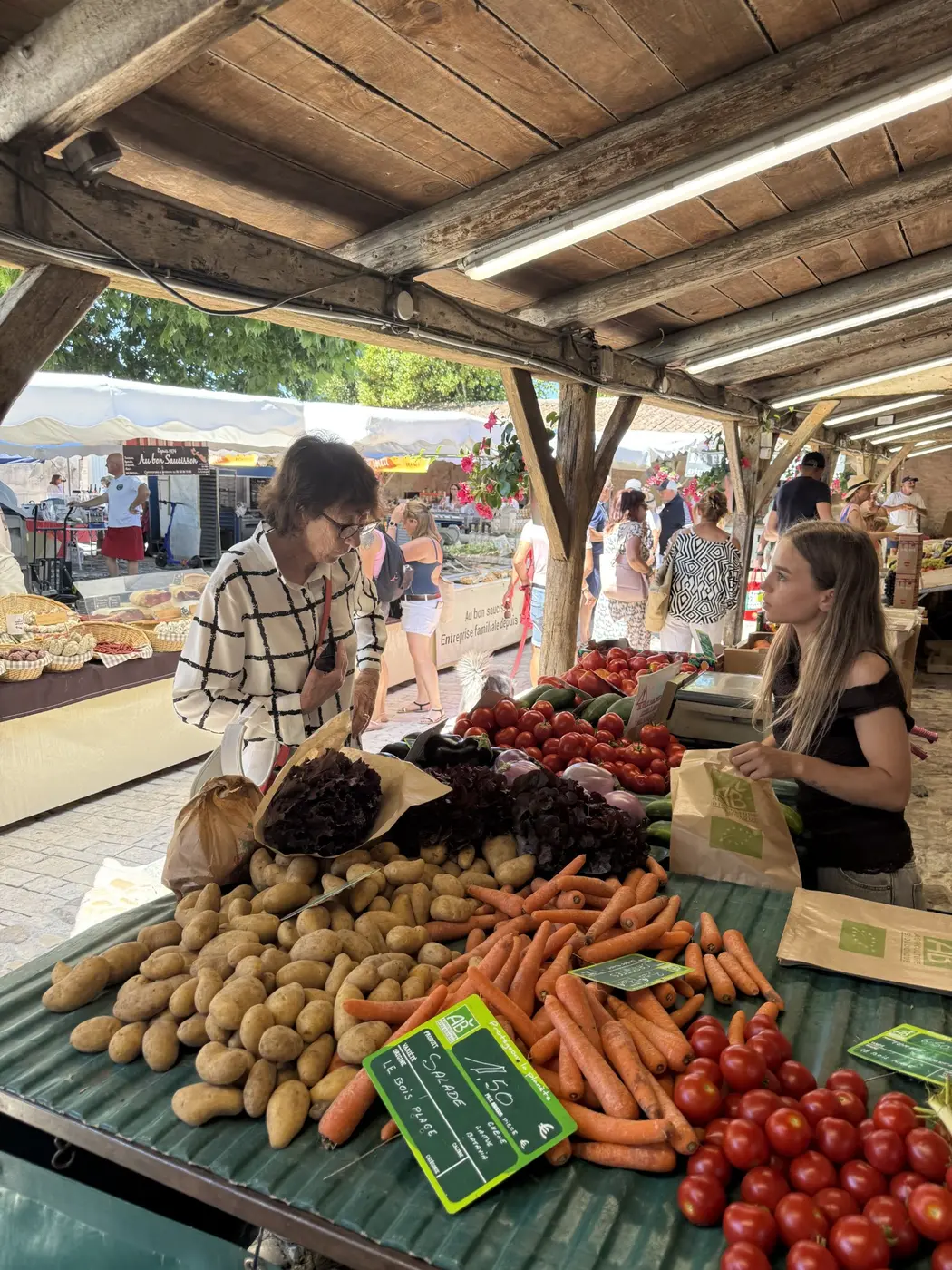
We had visited La Rochelle before, so crossed the bridge to Île de Ré. It became one of the discoveries of the tour: whitewashed villages with green shutters, markets full of local produce, harbourside restaurants, long beaches and miles of cycle paths. After weeks of moving, the island gave us permission to slow down.
10 · LFBH–EGLK
The final flight home
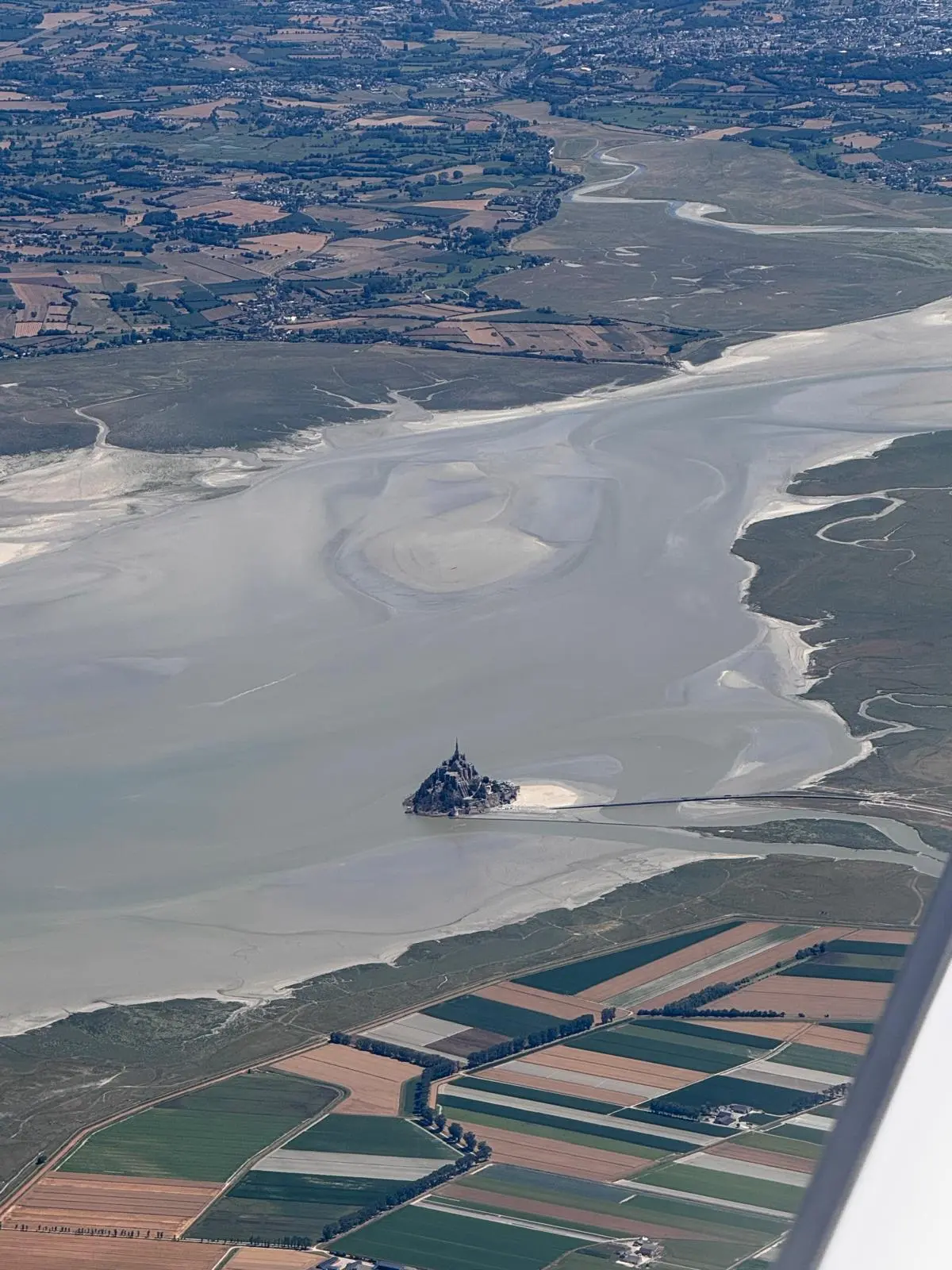
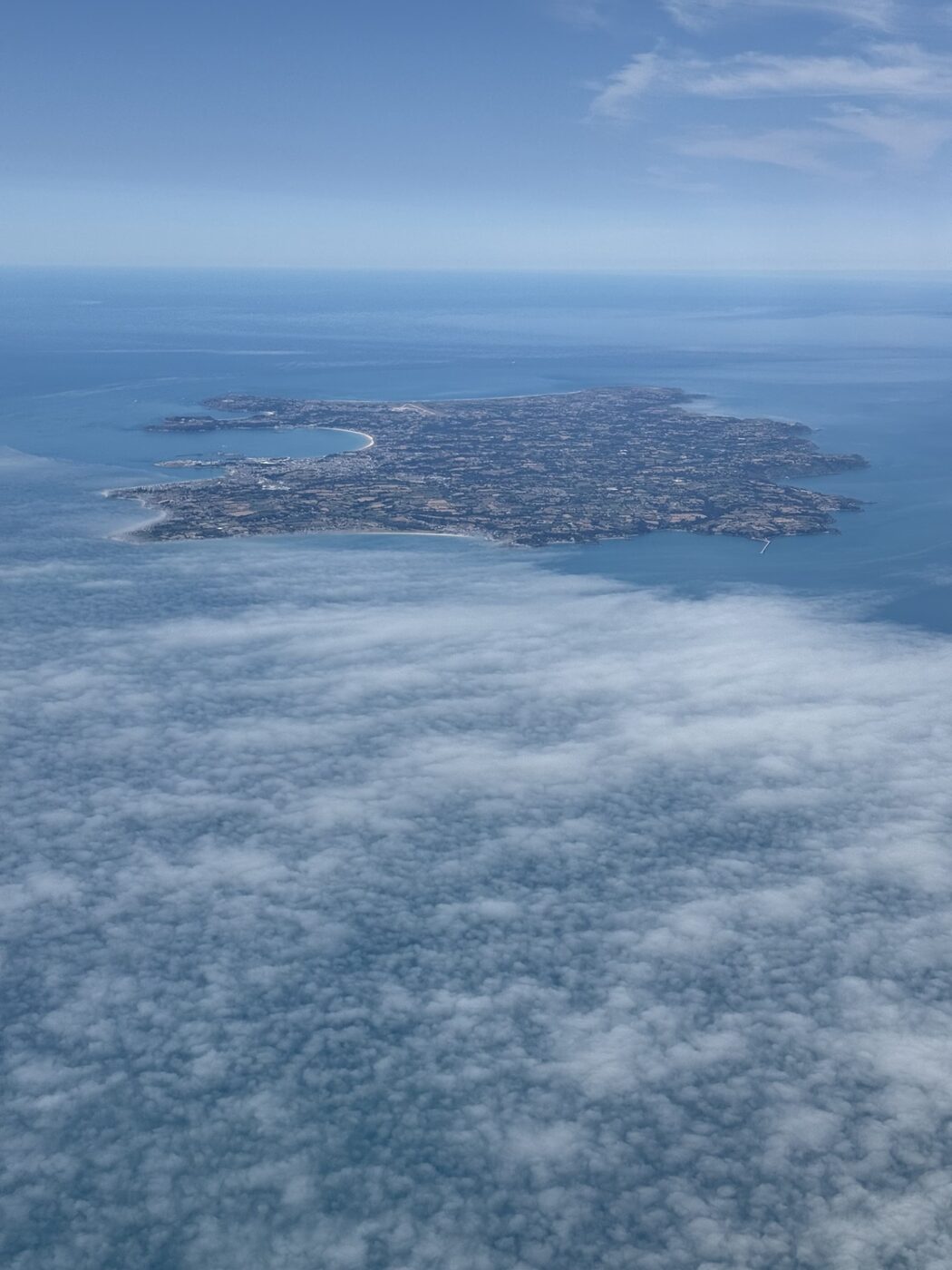
The last leg always feels different. We departed La Rochelle IFR and coasted out east of Dinard and Saint-Malo, with magnificent views of Mont-Saint-Michel. The Cherbourg Peninsula and Channel Islands followed, Jersey appearing above a layer of cloud as we cruised north.
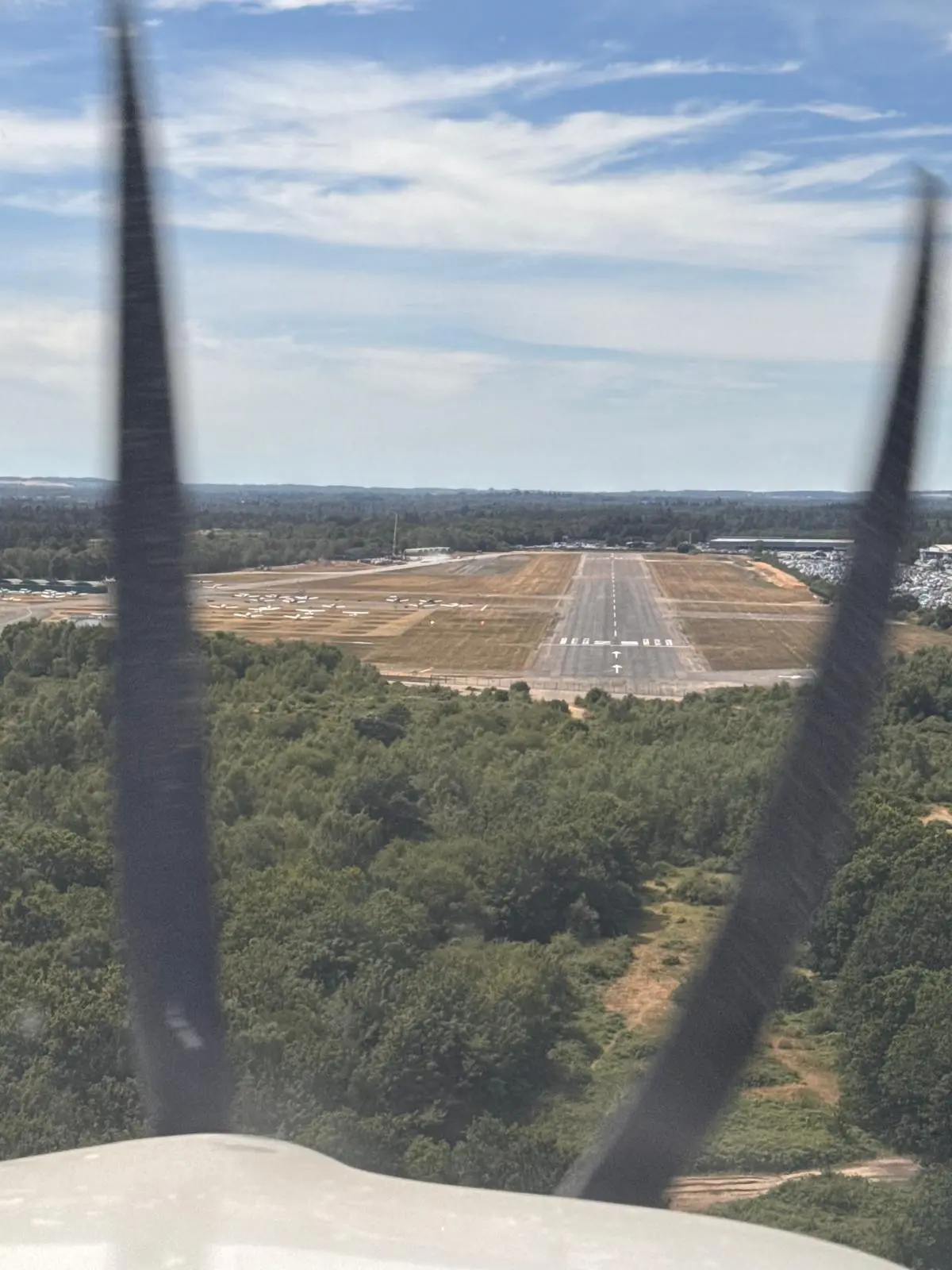
The south coast of England was visible before Cherbourg had slipped behind us. Descending over the Isle of Wight, we joined the KATHY1V arrival for Farnborough and were then vectored for a visual approach to Runway 25 at Blackbushe.
Turning final brought mixed emotions: satisfaction at completing an extensive tour safely, sadness that this adventure was ending, and above all gratitude that Jan and I had been able to share it. After over four weeks, nine airfields and 2,505 nautical miles, our home runway filled the windscreen.
Reflections
Preparation, not courage
People often ask whether touring Europe by light aircraft is difficult. The honest answer is that it requires preparation rather than courage. Modern planning tools, reliable avionics and Europe’s IFR infrastructure make journeys that once seemed extraordinary entirely achievable.
More importantly, the aircraft changes how you experience Europe. Instead of one destination, you gain many. Instead of merely passing through airports, you collect stories. Somewhere between the first departure from Blackbushe and the final shutdown back home, you remember why you learnt to fly in the first place.